SBC Repair Mercedes — Complete Guide
Do you own a Mercedes-Benz equipped with Sensotronic Brake Control (SBC) and are now facing the dreaded “SBC Service Brake! Visit Workshop!” warning? This guide provides a complete overview of SBC repair Mercedes, covering everything from safety procedures to refurbishment options.
What is Mercedes SBC and Why Does It Need Special Repair?
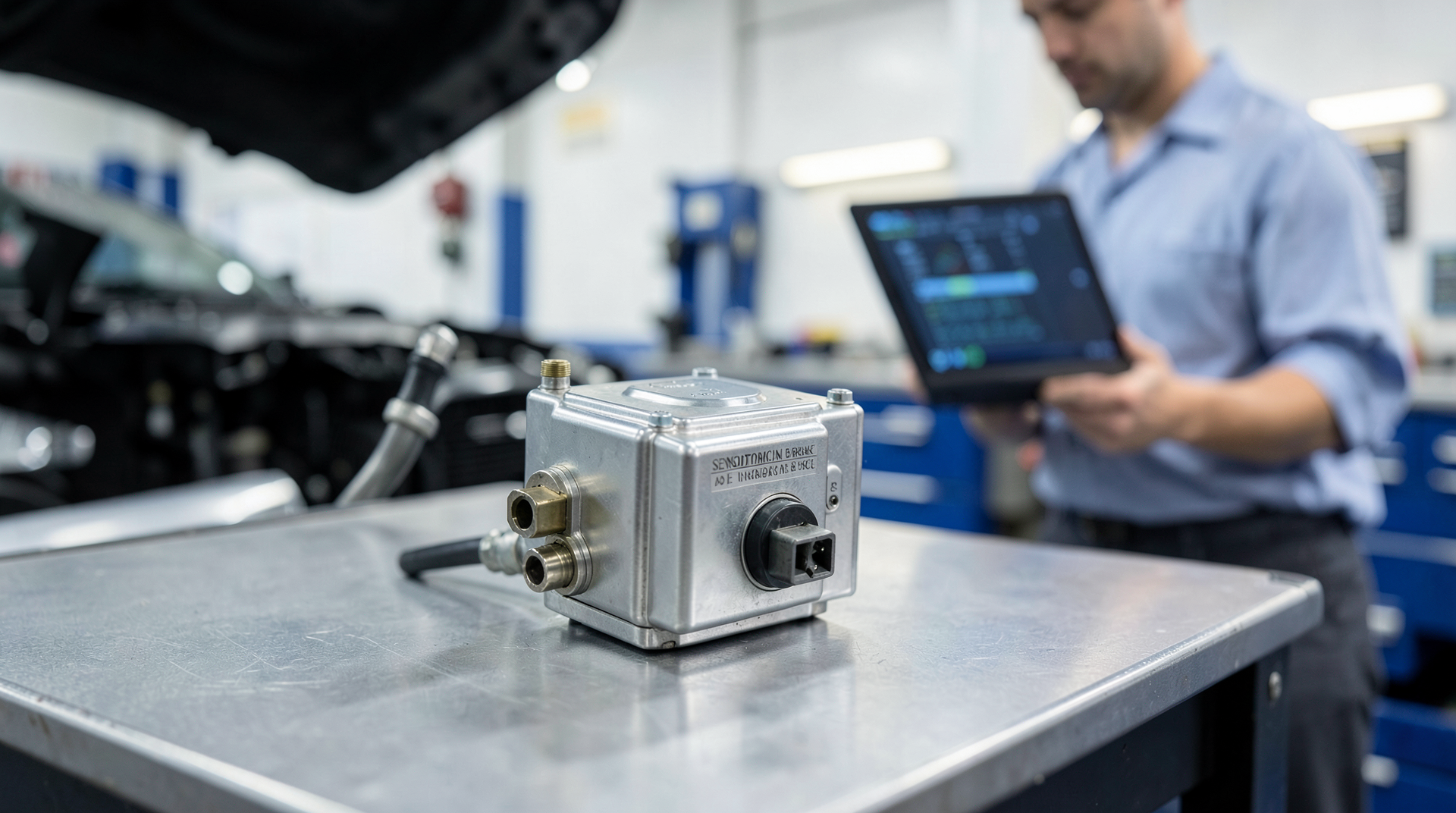
Mercedes-Benz Sensotronic Brake Control (SBC) is an electro-hydraulic “brake-by-wire” system found in models like the R230 SL-Class and W211 E-Class. The primary reason SBC repair Mercedes is needed is the SBC hydraulic unit/pump’s internal service counter. This counter tracks brake pedal applications, triggering the “SBC Service Brake! Visit Workshop!” warning upon reaching a limit. This prompt indicates necessary maintenance due to wear, not necessarily complete failure.
A critical safety consideration is that the SBC system *must* be deactivated before any hydraulic brake work is performed. According to HELLA Techworld and Mercedes-Benz, failure to deactivate the SBC system before working on the brakes can lead to injury due to the automatic build-up of pressure. Finally, it’s worth noting that Mercedes-Benz extended the warranty on the SBC system to 25 years for affected models, so checking your eligibility is a vital first step.
Mandatory Safety First: How to Deactivate SBC Before Any Brake Work
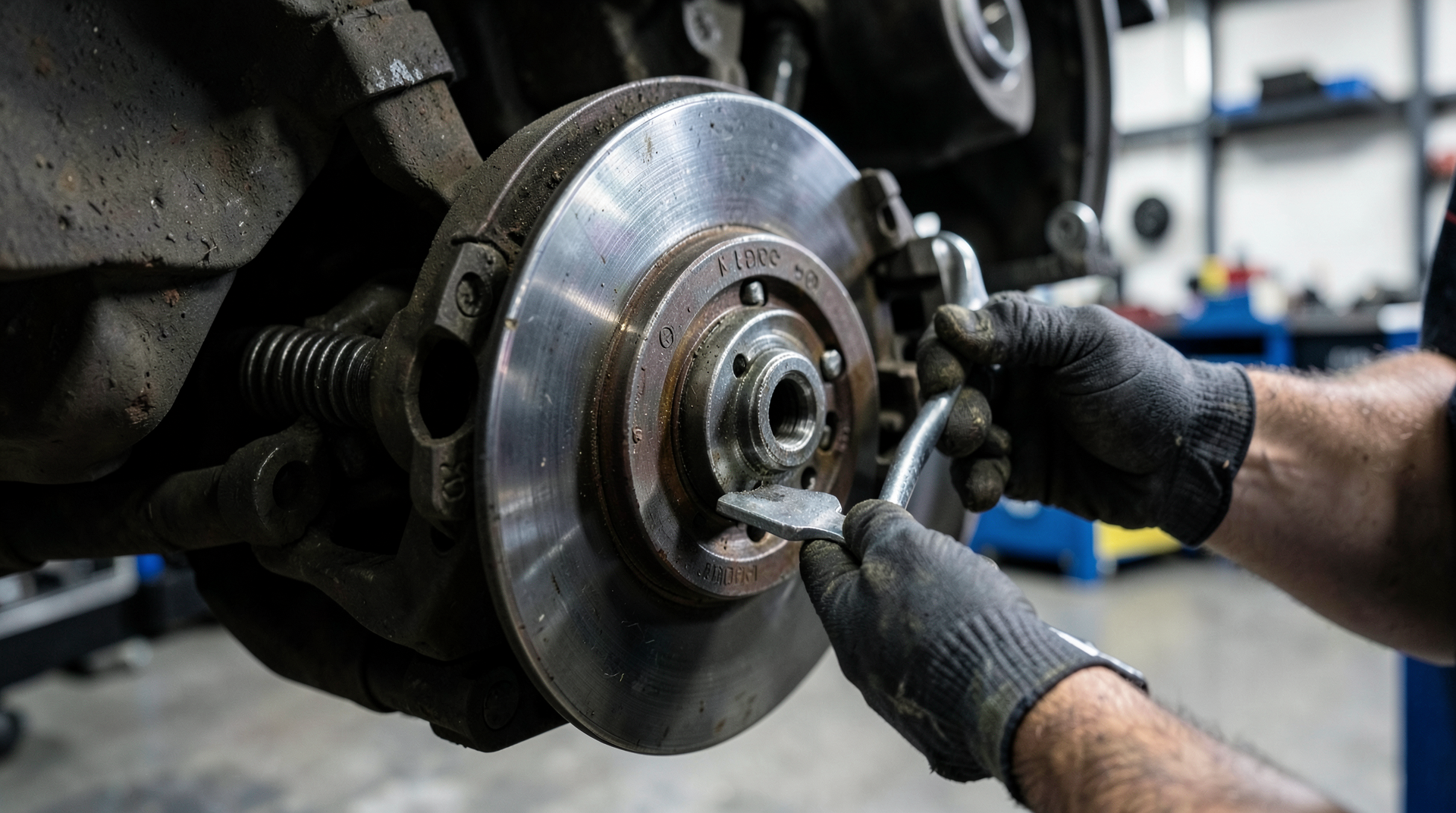
Deactivation is absolutely essential before performing any service on the brake system’s hydraulic components. This includes replacing brake pads, rotors, calipers, brake lines, or the hydraulic unit itself. The purpose of deactivation is to relieve system pressure and disable the high-pressure pump, preventing accidental activation during maintenance.
When deactivated, the system will display a red brake warning symbol on the instrument cluster. There are two primary methods for deactivation: using a Mercedes XENTRY/Star Diagnostic system (the professional method) or manually via the diagnostic port, which is a common DIY approach. HELLA Techworld emphasizes that you should never open the hydraulic system with SBC active due to the risk of high-pressure fluid release.
Step-by-Step Guide to Manual SBC Activation (Without XENTRY)
You can manually activate the SBC system without using the XENTRY diagnostic tool. The following procedure, derived from Daimler documentation, will re-charge the pressure accumulator and perform a pre-drive check.
- Unlock the car and turn the ignition to position 2 (you may need to do this with the driver’s side window open).
- Turn the rear driver’s side wheel forward at a rate of 1-2 revolutions per second for 3 seconds.
- Then, turn the front wheel forward until it stops by itself.
The tail lights will flash three times to confirm successful activation. Activation re-charges the pressure accumulator, performs a pre-drive check (PDC), and moves the brake pads towards the rotors using approximately 60 bar of pressure.
After activation, start the engine and slowly pump the brake pedal 10 times. If no warning lights appear, the procedure was successful.
Repairing the SBC Hydraulic Unit: Refurbishment vs. Replacement
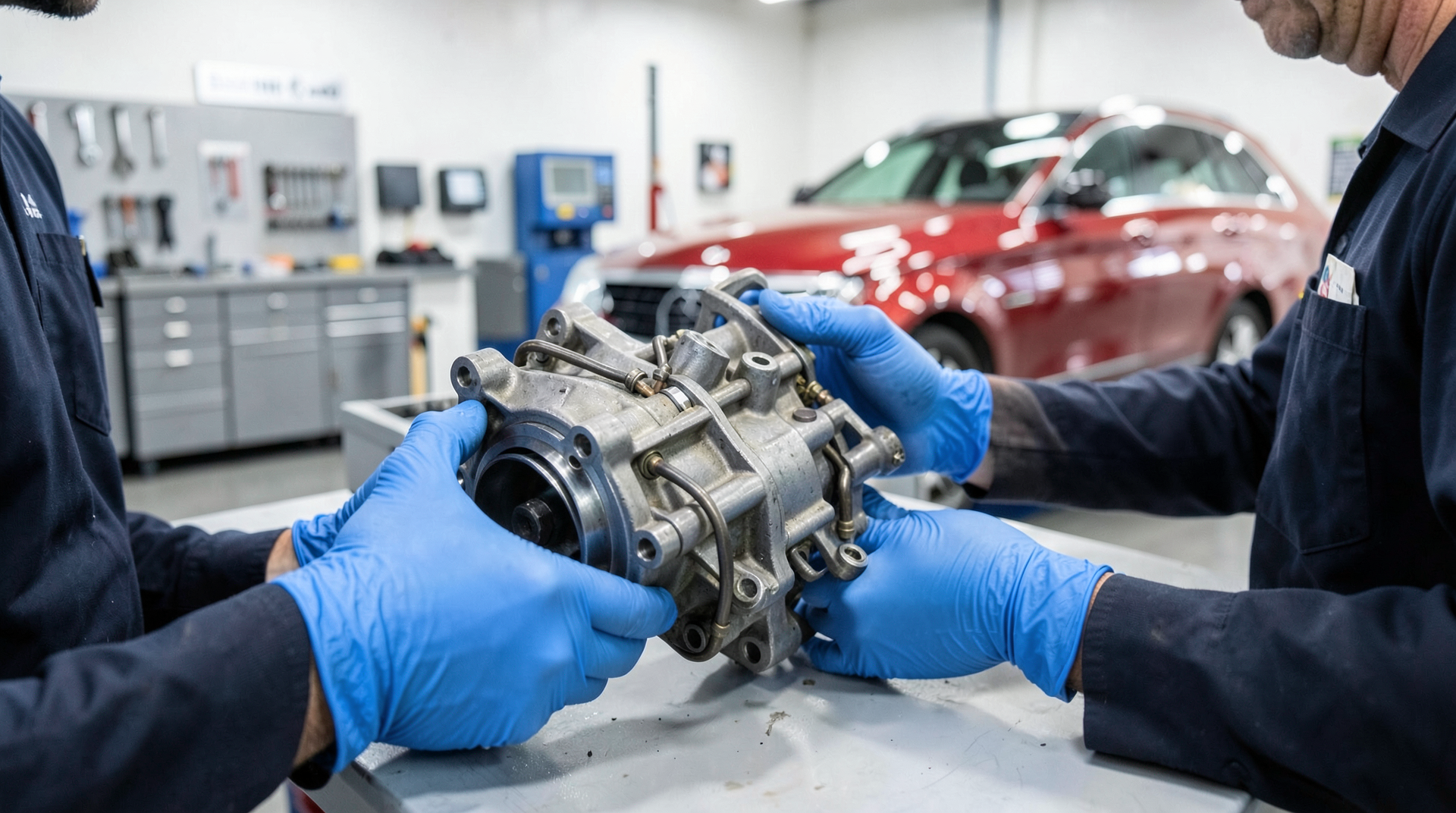
When addressing a failing SBC hydraulic unit, you have two main options: replacing it with a new OEM unit from Mercedes-Benz or opting for specialist refurbishment of your existing unit. A new OEM unit can be very expensive, making refurbishment a more cost-effective solution.
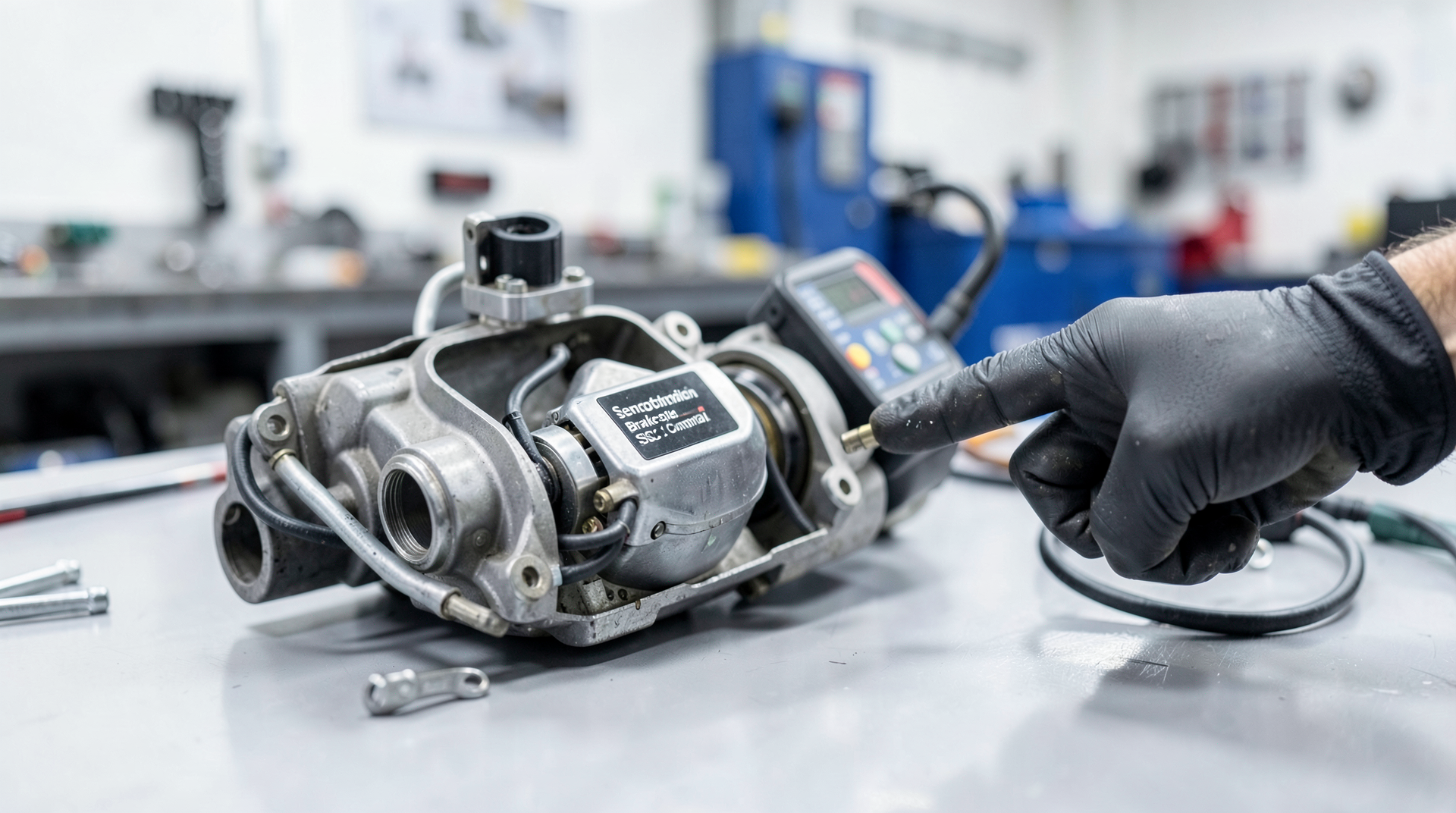
Refurbishment typically involves replacing the internal pump motor, seals, and pressure sensor, as well as resetting the service counter via diagnostics. Specialist services, particularly in the UK and EU, have emerged focusing solely on Mercedes hydraulic brake unit refurbishment for aging Mercedes fleets. Before committing to any paid repair, always check if your vehicle is eligible for the 25-year extended warranty.
Resetting Fault Codes and the SBC Service Counter
A common fault code associated with the SBC system is C249F, which indicates that the service counter has reached its limit. Resetting this counter to zero requires a capable diagnostic scanner, such as an iCarsoft MB, Star Diagnostic, or other professional-grade tool.
After a physical repair or refurbishment, the diagnostic tool is used to access the SBC module and reset the ‘pedal application’ counter. A simple code clear with a basic OBD2 scanner will not reset the internal counter; a specialized procedure is needed.
Critical Fluid and Component Service for SBC Systems
Using the correct brake fluid is crucial for the longevity and performance of the SBC system. Only use genuine Mercedes-Benz DOT 4 brake fluid from a newly opened, sealed container to prevent moisture contamination. Moisture can cause internal corrosion and premature failure of the Sensotronic Brake Control repair components.
When changing brake pads or rotors, always deactivate the SBC system first. After the mechanical work is complete, reactivate the system to retract and re-apply the pistons. Common symptoms of SBC pump repair Mercedes needs include loss of brake assist, a hard brake pedal, unusual pump noises running continuously, and related fault codes. All hydraulic repairs, even a simple bleed, require following the deactivation/reactivation protocol.
Frequently Asked Questions
How do I deactivate SBC before a brake job?
Use a diagnostic tool or the manual electrical deactivation method to disable the pump and depressurize the system. Deactivation is crucial to prevent accidental activation of the high-pressure pump during brake work, which could cause serious injury. Always confirm deactivation by checking for the red brake warning symbol on the instrument cluster.
What does the ‘SBC Service Brake!’ warning mean?
It means the internal service counter has reached its limit, requiring a counter reset via diagnostics, often alongside pump refurbishment. This warning doesn’t always indicate a complete failure, but rather that the system has reached its programmed service interval. Addressing this warning promptly can prevent further complications and ensure optimal braking performance.
Can I reset SBC fault codes like C249F myself?
Yes, but only with a compatible Mercedes-specific diagnostic tool that can access the SBC module’s service functions. A generic OBD2 scanner will not be able to reset the internal counter or perform the necessary adaptations. Investing in a suitable diagnostic tool can save you money in the long run by allowing you to perform basic maintenance and troubleshooting yourself.
What brake fluid do I use?
Only fresh, sealed-container Mercedes-Benz DOT 4 fluid. Using incorrect or old fluid can damage the sensitive hydraulic unit. The SBC system is designed to operate with a specific type of brake fluid, and using anything else can lead to corrosion, seal damage, and ultimately, system failure. Always check the fluid level and condition regularly.
Is there a warranty on the SBC module?
Mercedes extended the warranty on the SBC system to 25 years for original owners in many regions. Check your VIN with a dealer. This extended warranty can cover the cost of Mercedes SBC brake module repair or replacement if the unit fails within the specified timeframe. Contact your local Mercedes-Benz dealer to confirm your vehicle’s eligibility.
What causes SBC pump failure?
Wear on the pump motor from the high cycle count, internal seal degradation, or fluid contamination are common causes. The SBC pump operates frequently to maintain brake pressure, and over time, this can lead to wear and tear on its internal components. Regular brake fluid flushes can help prevent contamination and extend the life of the pump.
How much does Sensotronic Brake Control repair cost?
The cost varies widely depending on the nature of the repair and whether you opt for refurbishment or replacement. Refurbishment is typically less expensive than replacing the entire unit. Contacting a specialist Mercedes hydraulic brake unit refurbishment service can provide a more accurate estimate.
Final Summary and Recommended Action Plan
Here’s a summary of the SBC repair Mercedes process:
- Diagnose the issue (warning light/code).
- Deactivate SBC for safety.
- Perform the physical repair/refurbishment.
- Reactivate the system.
- Reset the service counter.
Never skip the deactivation step before working on the brakes. For a failing unit, first check warranty coverage, then choose between dealer replacement, specialist refurbishment, or a quality used part. If you are facing an SBC warning, start by having the fault codes read with a professional scanner to confirm the exact issue before proceeding.